
English| EUR
Suggested for you
More currencies
Choose a language
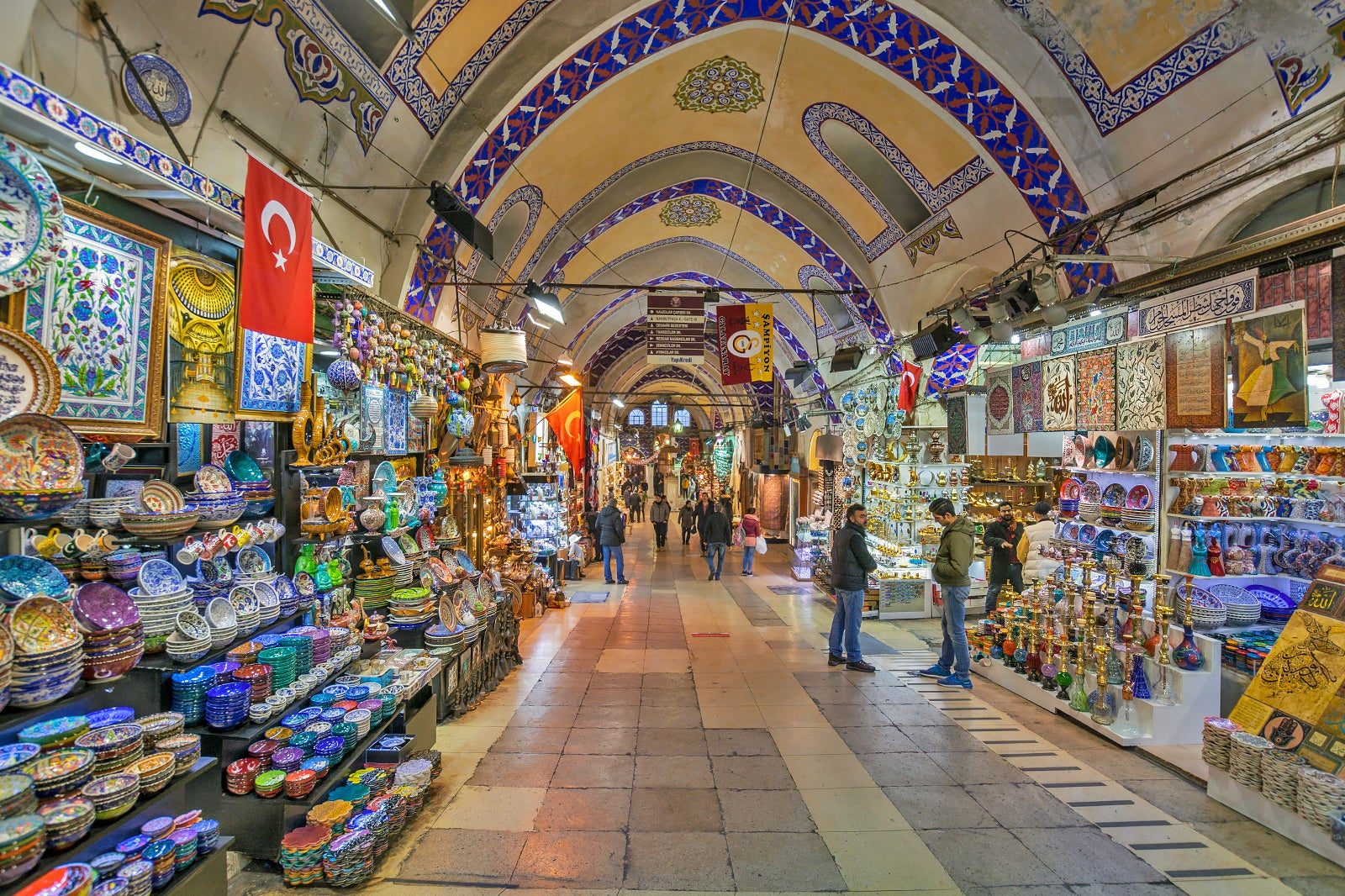
The Grand Bazaar spans 61 covered streets and houses more than 4,000 shops across 30,700 square meters. It opens Monday through Saturday from 08:30 to 19:00 and remains closed on Sundays. This guide covers the logistics that matter: arrival timing, what to carry, how to navigate the vaulted corridors, and the mistakes that cost first-time visitors time and money.
Quick answer
Arrive between 08:30 and 10:30 to experience the bazaar at its least crowded, bring small-denomination Turkish lira for easier bargaining, and remember that it is closed on Sundays. Entrance is free. The bazaar's 61 streets form a labyrinth, so use the main gates—Beyazıt Gate and Nuruosmaniye Gate—as reference points and expect to get turned around at least once.
The Grand Bazaar operates as a living commercial district, not a curated museum, which means its rhythms follow merchant schedules rather than tourist convenience. Most first-time visitors underestimate the scale: 4,000 shops across 61 vaulted streets generate sensory overload within the first ten minutes, and the absence of a grid layout means even locals occasionally lose their bearings. The building dates to 1461, two years after the Ottoman conquest of Constantinople, and its original core—the İç Bedesten—still anchors the jewelry and antique trade at the center of the complex. The single most useful piece of advice for navigating Istanbul's covered market is to arrive early. The bazaar opens at 08:30 Monday through Saturday, and the first ninety minutes offer a fundamentally different experience: shopkeepers are setting up, the lanes are empty enough to move freely, and the haggling pressure is lower because merchants have not yet settled into their rhythm. By midday the corridors fill with tour groups, and by 18:00 the energy shifts toward closing. Sunday closure is absolute—no exceptions, no early access. Cash remains the dominant currency inside the vaulted halls. While some larger shops accept cards, most transactions happen in Turkish lira, and bargaining works best when you can count out notes in front of the seller. ATMs cluster around the perimeter gates, particularly near Beyazıt and Nuruosmaniye, but the machines inside the bazaar often run dry by afternoon. Carrying water and wearing comfortable shoes are not suggestions—the stone floors and absence of seating make both non-negotiable after the first hour. The bazaar's layout follows medieval logic, with trades grouped by guild: goldsmiths near the İç Bedesten, carpet dealers along Takkeciler Sokak, leather goods radiating from Kalpakçılar Caddesi. Street names are posted but inconsistently, and phone GPS signals weaken under the vaulted ceilings. The most reliable navigation strategy is to memorize your entry gate and use the two main arteries—Kalpakçılar Caddesi and Halıcılar Caddesi—as reference axes. When lost, ask for the nearest gate by name rather than trying to retrace your route; merchants will point you toward Beyazıt, Nuruosmaniye, or one of the smaller exits. The marketplace has survived earthquakes, fires, and centuries of political turbulence, and it operates today much as it did when Mehmed the Conqueror commissioned its first stones.
“The first ninety minutes after opening offer a fundamentally different experience: empty lanes, lower haggling pressure, and merchants who have not yet settled into their rhythm.”
The best arrival window is 08:30–10:30, as arriving early allows you to experience the bazaar at its least crowded and frenetic. This period provides the space required for comfortable navigation through the historic corridors before peak density occurs.
—
Quiet lanes allow for easier navigation and direct engagement with shopkeepers before daily crowds peak.
Mild temperatures (15°C–22°C)
Spring offers temperate conditions that make walking the expansive market complex comfortable.
Cooler temperatures (12°C–18°C)
The autumn months provide a stable climate for exploring, avoiding the high heat and humidity of mid-summer.
Verdict: The concrete best slot is Tuesday to Thursday, arriving at 08:30, during the months of April or October.
The Grand Bazaar operates on a consistent weekly schedule, opening its doors every day of the week except for Sundays. Planning your visit around this weekly closure is essential to ensure you can access the market.
Access to the Grand Bazaar is open to the public without any ticket requirements. Visitors do not need to pay an entrance fee to explore the corridors of this historic market.
Verdict: The standard entrance fee is 0 TRY, as there are no official tickets for general market access.
The Grand Bazaar is located at Kapalı Çarşı, Beyazıt, Kalpakçılar Cd. No:22, 34126 Fatih/İstanbul. The most efficient way to reach the site is via the T1 tram line, which serves the historic district directly.
T1 Tram line to Beyazıt-Kapalıçarşı station
M2 Line to Vezneciler station
Direct to Beyazıt Square area
Alighting at the Beyazıt-Kapalıçarşı tram stop places you within a short walk of the main Nuruosmaniye or Beyazıt gates. Arriving between 08:30 and 10:30 minimizes congestion at these primary entry points.
The Grand Bazaar's labyrinthine layout and bustling atmosphere create opportunities for visitors to lose their bearings, overpay, or miss key experiences. A few practical precautions will help you navigate confidently and make the most of your visit.
Entering without a meeting point or landmark reference
The bazaar contains over 60 streets and 4,000 shops across multiple entrances. Before splitting up, agree on a specific gate number and a fallback time, and take a photo of a nearby street sign so you can ask vendors for directions if needed.
Accepting the first price without negotiating
Most vendors expect negotiation and price items accordingly. Research typical ranges for carpets, ceramics, or textiles beforehand, then counter at 40-50% of the opening offer and work toward a fair middle ground.
Ignoring street names and gate numbers entirely
The bazaar's streets are labeled, but the sheer density makes navigation disorienting. Photograph the name plaques at intersections as you explore so you can retrace your route or direct yourself back to a specific shop.
Visiting on Sunday
The Grand Bazaar is closed every Sunday. Plan your visit for Monday through Saturday between 08:30 and 19:00 to avoid arriving at locked gates.
Underestimating how long you'll spend inside
Even a focused visit spans 1.5 to 2 hours, and browsers often lose track of time among the stalls. Set a departure alarm on your phone if you have onward plans, and wear comfortable shoes for extended walking on uneven surfaces.
Everything you need to know about grand bazaar tips
To make the most of your visit, follow essential grand bazaar tips like wearing comfortable walking shoes and carrying cash for smaller purchases. Navigating the labyrinthine alleyways is easier if you stay oriented by noting major gates. There is no entrance fee for the Kapalı Çarşı, as it is a public historic space. Access is completely free for all visitors. Arriving early is one of the most effective grand bazaar tips to beat the heavy foot traffic. The ideal arrival window is 08:30–10:30 when the merchant stalls are first opening. You can explore the vast layout of this Istanbul shopping landmark by focusing on specific hans or specialized trade areas. Consider a specialized Istanbul landmark tour to learn about the history of the vaulted ceilings and architecture. You may choose to join a guided rooftop visit, which provides unique perspectives on the building's exterior. The bazaar maintains consistent operation from Monday through Saturday, 08:30–19:00, and is closed on Sundays. Incorporating these grand bazaar tips ensures you have a productive visit during your time in the city. Always remember that bargaining is a common social interaction here, so approach transactions with a polite and friendly demeanor. When planning your route, use the public tram system to reach the Beyazıt station, which places you near the main entrance.